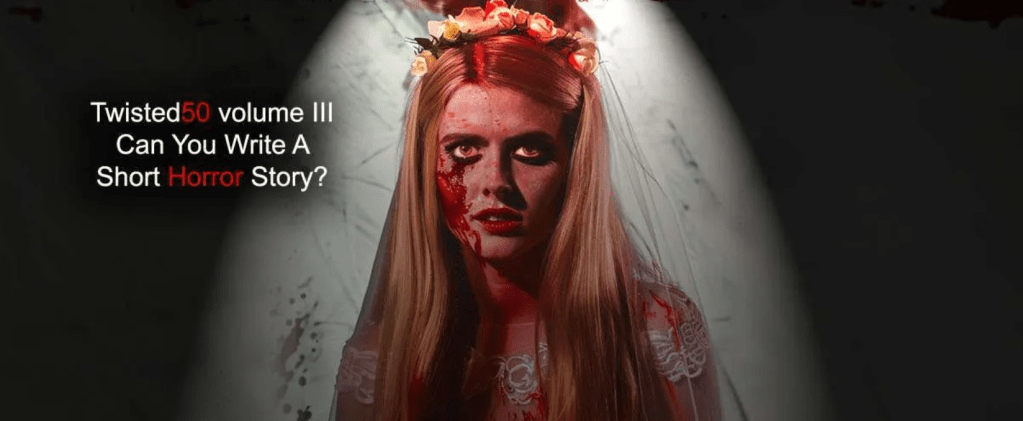
“horror”
Noun
- An intense feeling of fear, shock, or disgust
- A bad or mischievous person, especially a child
They’re Here….
The Twisted minds behind the Twisted Anthology are back for Volume 3. It’s been a while since Vol. 2 was released and time has flown since the Christmas special, but it is time to pick up your bone-handled knife and carve a new story into whatever flayed skin parchment you have lying around. Try your hand at winning over the Twisted Judges to secure your place in the annals of horror anthologies.
Or something like that…
Pen and paper or a WORD document will, of course, suffice… and likely keep you out of prison long enough to see the fruits of your labour in print.
So you have your idea, but is it any good? What makes a good horror?
The TL:DR response to this question is, really, ‘who knows?’ One person’s meat is another person’s poison. Take any number of horror films from the last few years and you will find a range of polarising views in the press and online. Ari Aster has made a massive splash in the world of horror, and I am a big fan of Hereditary and Midsommar. I have yet to see Beau is Afraid but am looking forward to catching up with it.
However, I know there are a lot of people who find his work less appealing.
Why?
Horror, like any genre is entirely subjective. As much as many people would argue against it, horror, in all its forms is still art, and any piece of art is going to find its cheerleaders as well as its haters.
So how can you come up with a short story that is going to kick ass and scare the pants off everyone who reads it?
You can’t. You won’t be able to.
As I am typing this, a track from the Annihilation soundtrack has just popped up on my Spotify playlist, another film that seems to divide people. Maybe for this one it is the relatively slow burn that puts some people off or the, at first viewing, potentially ambiguous ending that leaves you with more questions than answers?
Regardless of your thoughts about the movie it has its moments of genuinely unsettling horror and, anyone who has seen the film, will understand when I mention the “bear scene.”

I remember seeing that for the first time and just being overwhelmed with the horrific nature of that scene, the connotations of what I was seeing. Very little happens in the scene, but it ramps up the tension masterfully as you wait for an attack…which never comes, and you are just left with the dreadful knowledge of what is behind the noises the bear is making and what it potentially means for the remaining characters.
Dread – “Anticipate with great apprehension or fear.”
The build up to what is happening, the fear of the unknown, of what is to come. Everyone can relate to that feeling, we experience it every day. Getting up on a Monday morning, wondering what you are going to have to face at work, having a sick loved one, are you going to make you train connection, preparing for a job interview, or submitting your story to Twisted Vol. 3. Everyday dread. We all know it.
A good horror takes that fear and runs with it.
Whether you are going for shock and awe, violence and gore, slow burn spooky, or something grounded in real-life, dread and fear of the unknown are sure fire ways to pull your audience in and shock them. If your reader is unsure where a story is taking them, you can build that dread and manipulate the fear in your reader.
And dread itself can be subtle or intense, you just need to make sure your audience or reader can feel it.
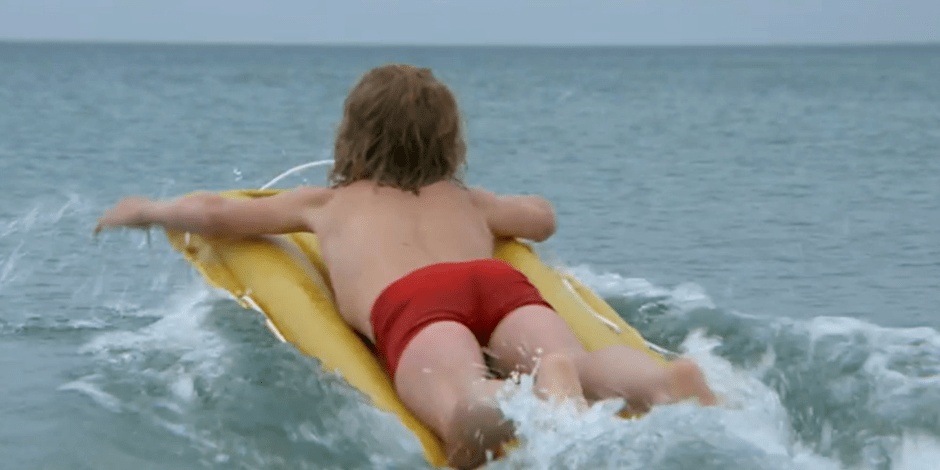
JAWS, on the surface (if you’ll pardon the pun) taps into that very real fear of being eaten alive by a giant set of teeth. But it plays on fears of the unknown so well. There can’t be many people who don’t feel a little bit of fear when thinking about open expanses of water, perhaps floating in them, unsure of what might be swimming around beneath you.
The Wicker Man uses dread to build up fear for Sergeant Howie in the audience. The island is populated by weirdos, and you know something isn’t right, but you are not sure what, until it is too late.
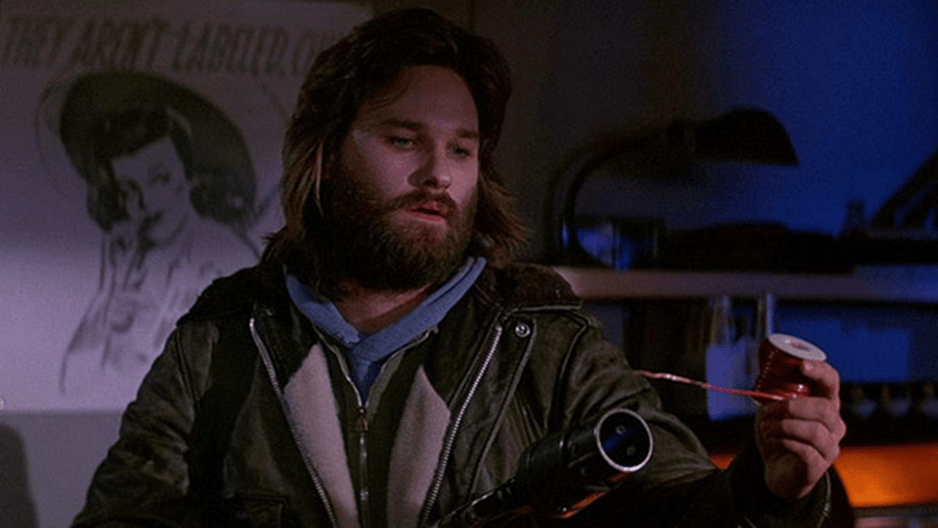
The Thing drives that fear home by forcing the audience into dreading who might be the Thing at any one time in the movie. Now knowing, leaves you as helpless as the inhabitants of the research station. The blood test scene is a perfect example of slow-burn dread building.
In The Shining we dread what might happen next as Jack slowly goes mad.
We fear for Peter in Hereditary as he slowly loses control and the dread builds around him.
In Night of the Living Dead we watch, transfixed in fear as we wait for the Zombies to close in or for the survivors to turn on each other.
Its’ all about what is coming, what is going to happen, and the dread builds more convincingly when we are untethered as an audience, and we don’t know where things are going. As a kid, begging to watch horror on the Telly, the build up to what you might see was just as scary (if not more so) than what appeared onscreen if you were lucky enough to be allowed.
If you then build in a human element whereby your audience can identify with the characters on screen or on the page, then you are really on to a winner. You don’t have to have experienced being manipulated by weird locals to empathise with sergeant Howie, but understanding what it is like to be an outsider, to have experienced that sort of exclusion can create that sympathy and empathy.
As a parent, I automatically identify with any story that involves children. If you put kids in danger, I instinctively find myself thinking, “what would I do” in that situation. It drags me into the story and intensifies those feelings of dread.
So what makes a good horror story?
I don’t know. Who knows? We all like different things, but my own personal experience is that good horror unsettles the viewer/reader, it builds dread through relatable characters and experiences to draw the audience in and get them invested in the story as it unfolds. It’s about what might be coming more than perhaps what is one the screen/page at any particular moment. And these themes are universal, whether you write gory stories, spooky stories or weird and bizarre surrealist stories, dread is something everyone understands.
Build it, draw your audience in, and then break them.

 Dark Mark Writing