Directed by Adam Nelson
Written by Chris Watt
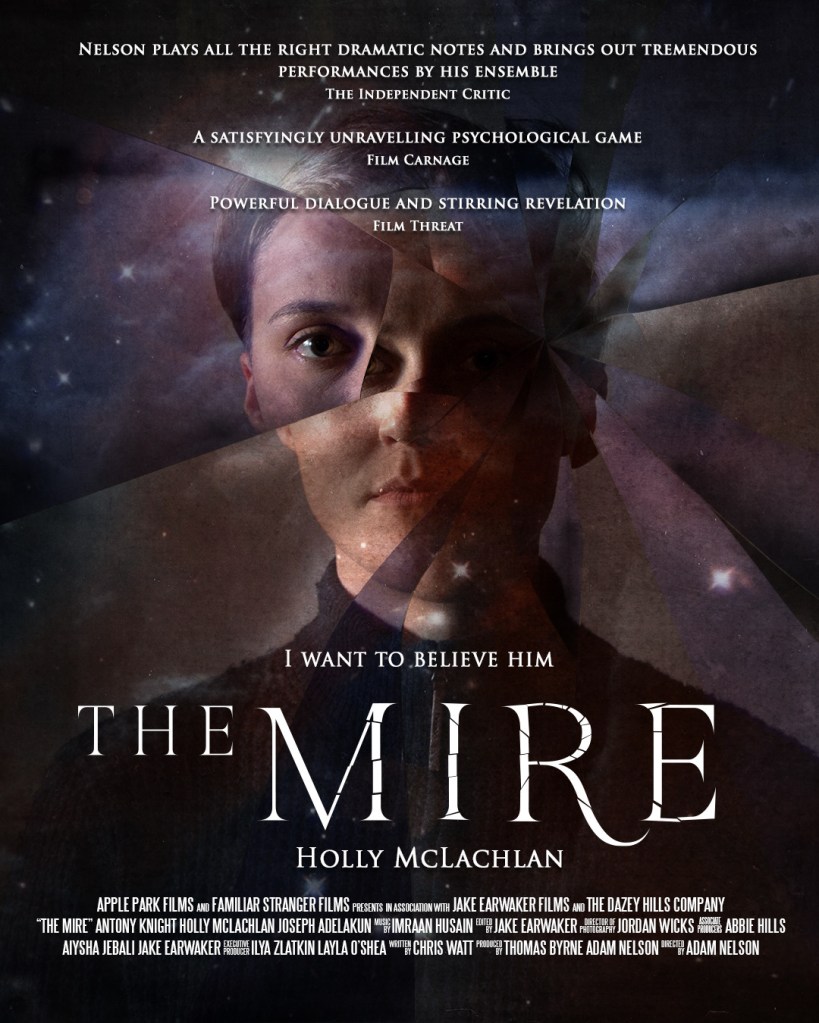
On the eve of a mass suicide, charismatic cult leader Joseph Layton must convince his two most loyal followers that he intends to go through with their plans. A battle of wits ensues across one evening as all three parties attempt to manipulate, reform, and out plot the others. (IMDB)
Hannah (Holly McLachlan) and Marshall (Joseph Adelakun) want to believe Canon leader Joseph (Antony Knight) and his preaching about a higher plan for his flock. He has pulled them from the brink and helped them overcome severe hardship, so they owe him their dedication and faith. But something is niggling at them and the trust is wearing thin. On the eve of a mass suicide, Hannah and Marshall begin to question everything Joseph has told them when they find him seemingly planning to desert them. Just before he manages to disappear, they confront Joseph and begin to question everything he has told them and that they believed.
Did Joseph tell them the truth? Can he be trusted? Why is he leaving at the most important time for his followers? When they need him the most? Thus begins a battle of wits between Joseph, Hannah and Marshall. Will they get to the truth and uncover Joseph’s ultimate plan, or will he be able to convince them that he is on the level and they are safe if they just follow his plan?
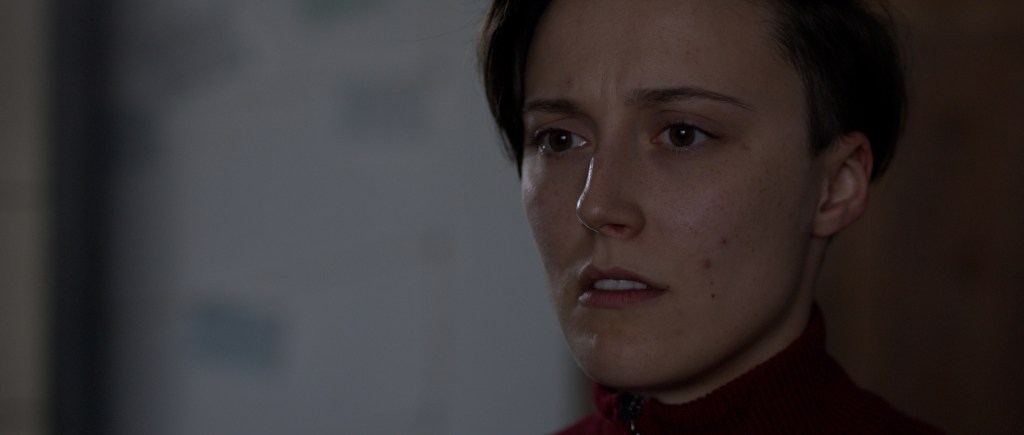
The Mire is the latest low-budget film from Director Adam Nelson that easily belies its micro-budget to present a taut, engaging thriller that doesn’t need to rely on all the bells and whistles that a larger budget film can throw at the audience to keep them enagaged. Indeed, that is likely one of its biggest strengths. By having to be economical with the production, the limited locations and cast, The Mire ensures that the audience are pulled into the intimacy of what is largely a 3-way conversation for the duration of the film. While we get some flashbacks to learn more about Joseph and how he enticed Hannah and Marshall into the fold, the main focus of the film is the intensity of the confrontation between the three of them and, by keeping it simple, the audience is pulled into the scenes with little to distract them from the slowly unfolding narrative. The audience becomes another member of The Canon, drawn in by Chris Watt’s script.

The set up may be simple, but the themes explored are large and complex, cleverly at odds with the stripped back visuals. While some viewers will no doubt struggle with a film that doesn’t appear to have much “action” in it, The Mire will reward those who stick with it. The Mire ends on an ambiguous note, but with an assured ending that knows what it is, leaving interpretation open to the viewer. This isn’t lazy writing, but a resolution that will have you thinking and rethinking what you have seen and questioning the outcomes for Joseph, Hannah and Marshall.

The Mire is a thought-provoking, solidly written and directed thriller with three central performances that form the heart of the movie. Throw in Jordan Wick’s foreboding cinematography, Jake Earwaker’s skillful editing, and an understated but powerful score from Imraan Husain and you have a compelling thriller that is definitely worth a look. At the time of this post, The Mire is still vailable to watch via the Gilbert Baker Film Festival – Domestic Violence Awareness Month HERE and offered on a pay as much as you can basis.
The Mire is a fine example of really low-budget independent film-making and a fantastic example of what can be done with a relatively small team.
Check it out and support indie film!

 Dark Mark Writing